
Elizabeth S. Bolman
 Elizabeth S. Bolman is Chair of the Department of Art History and Art, and Elsie B. Smith Chair in the Liberal Arts. She engages with the visual culture of the eastern Mediterranean in the late ancient and Byzantine periods. Professor Bolman is best known for her work in Egypt, in which she has demonstrated the vitality of Christian Egyptian art and a new understanding of the nature of artistic production there in the early Byzantine period. She edited and was the principal contributor to the award-winning Monastic Visions: Wall Paintings in the Monastery of St. Antony at the Red Sea (Yale University Press and the American Research Center in Egypt, 2002) and to The Red Monastery Church: Beauty and Asceticism in Upper Egypt (Yale University Press and the American Research Center in Egypt, 2016). This recent book is the product of over a decade-long multidisciplinary project that she founded and directed, which included cleaning and conservation of the Red Monastery’s spectacular paintings. She is the recipient of fellowships and grants from the Guggenheim Foundation, Fulbright program, National Endowment for the Humanities, Dumbarton Oaks, American Research Center in Egypt, and United States Agency for International Development.
Recent Department News
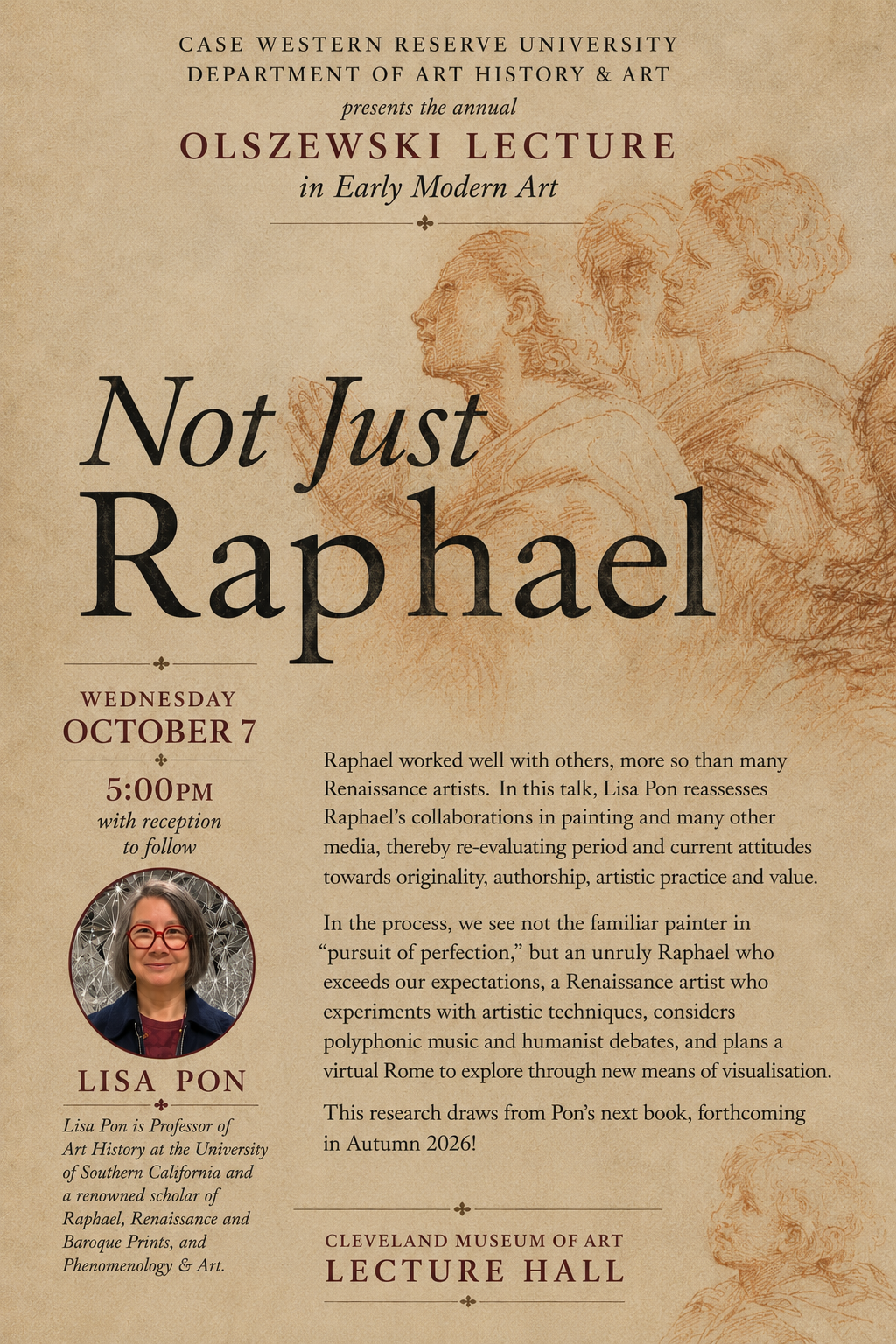
Global Medieval Studies Program Launched!
We are delighted to announce the launch of our new program in Global Medieval Studies! Administered through the Department of Art History and Art in collaboration with Classics, English, Modern Languages and Literatures, and Music departments, the Graduate Certificate in Global Medieval Studies will offer students the opportunity to pursue rigorous interdisciplinary study of the medieval world. For questions, please contact Prof. Elina Gertsman, the program’s director, or visit our page. Click below for a peek at this semester’s events!
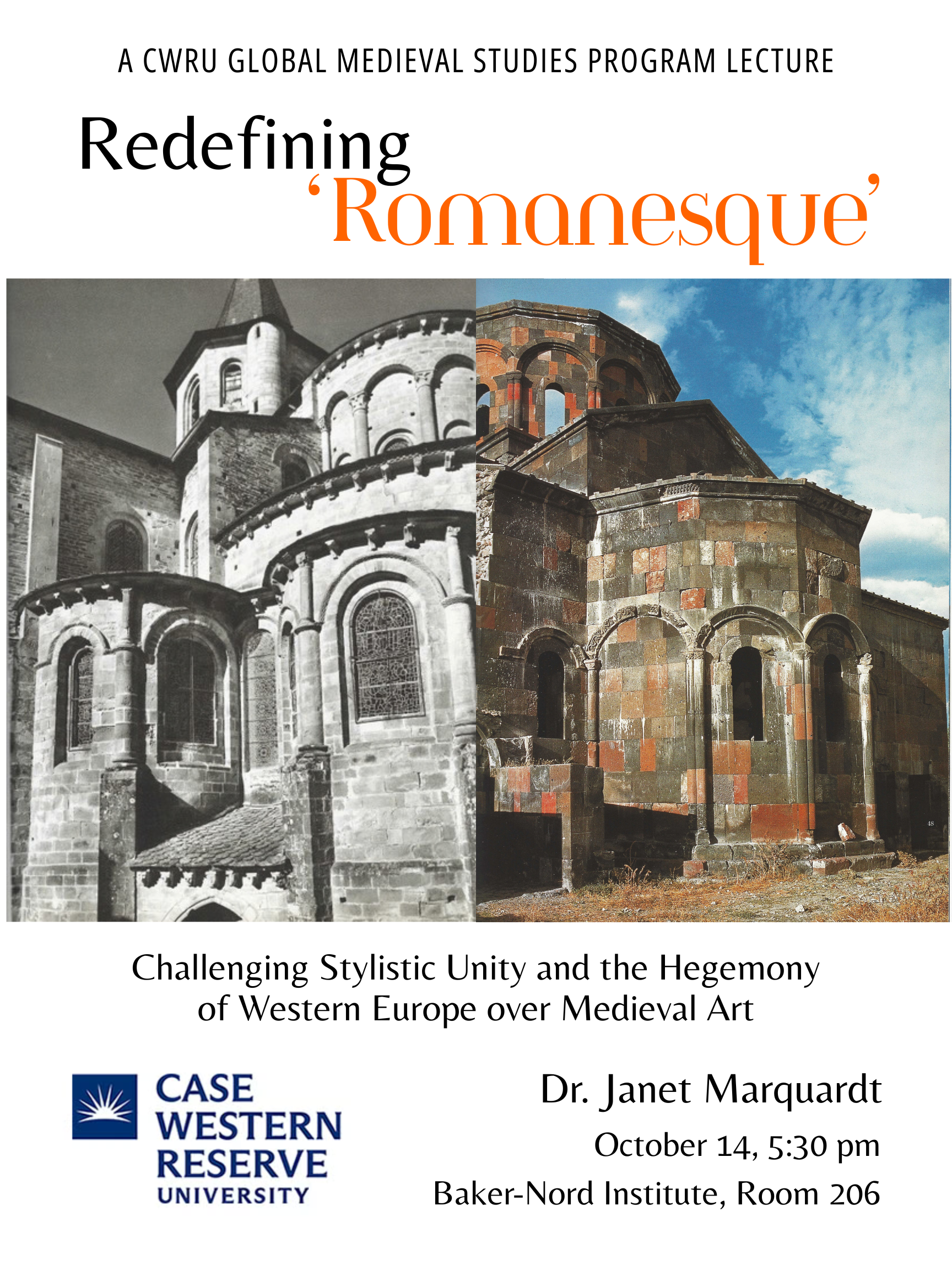
The focus of this talk is the extremely robust and innovative period of European art from approximately 1000-1200 we now call "Romanesque." Coined in the early nineteenth century, “Romanesque” is a term that privileged particular "Roman-like" aspects of architectural construction but did not begin to cover the regional breadth of the myriad artistic...
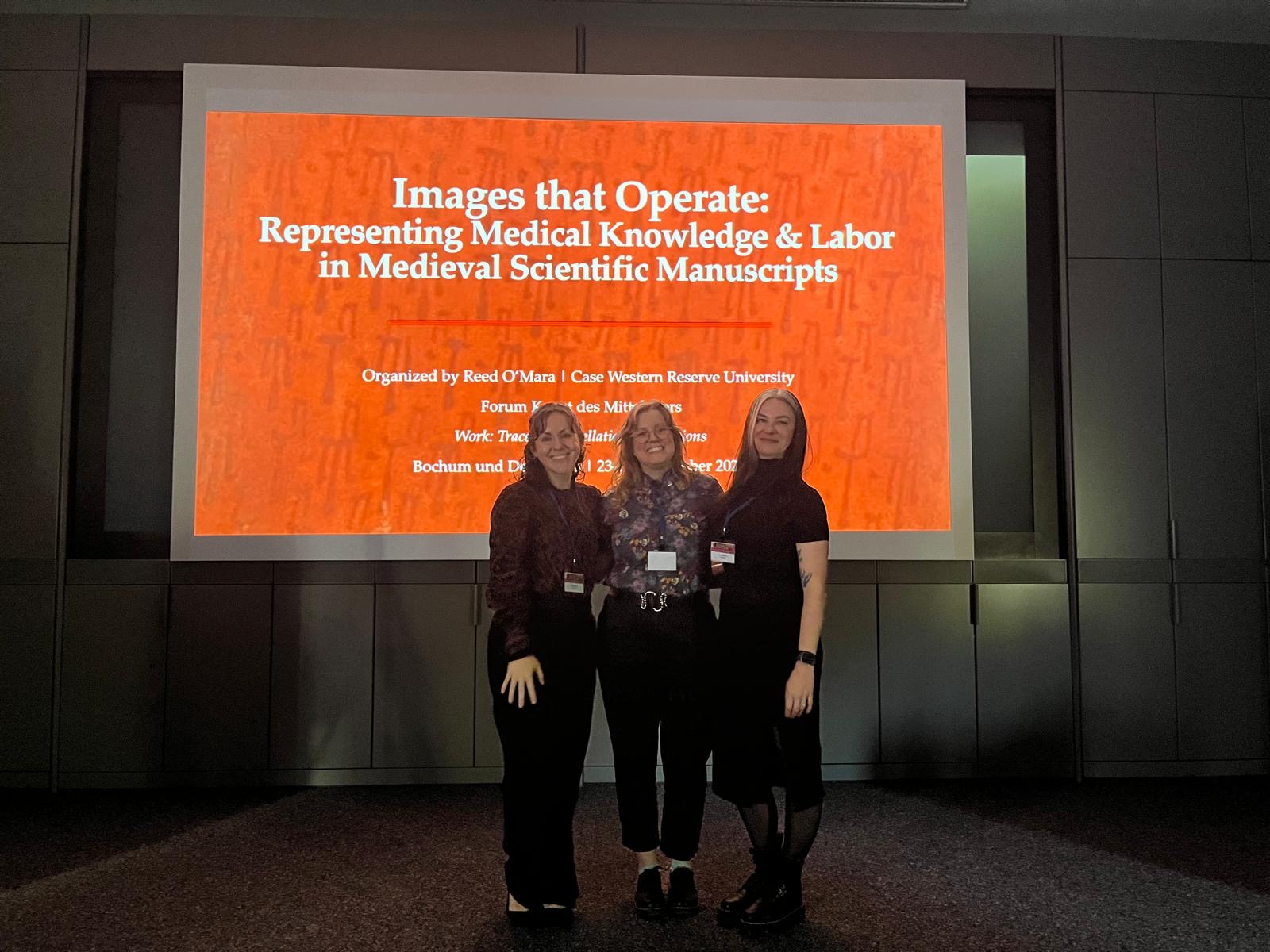
Congratulations to PhD candidates in medieval art Claudia Haines and Reed O’Mara on a splendid showing at this year’s Forum Kunst des Mittelalters in Bochum and Dortmund, Germany. Claudia presented work related to her dissertation on medieval medical manuscripts in a session organized by Reed, now on a Kress...
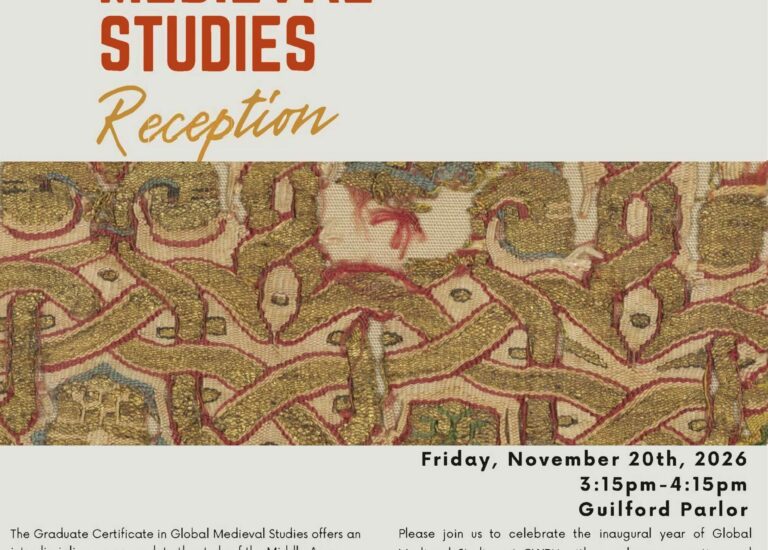
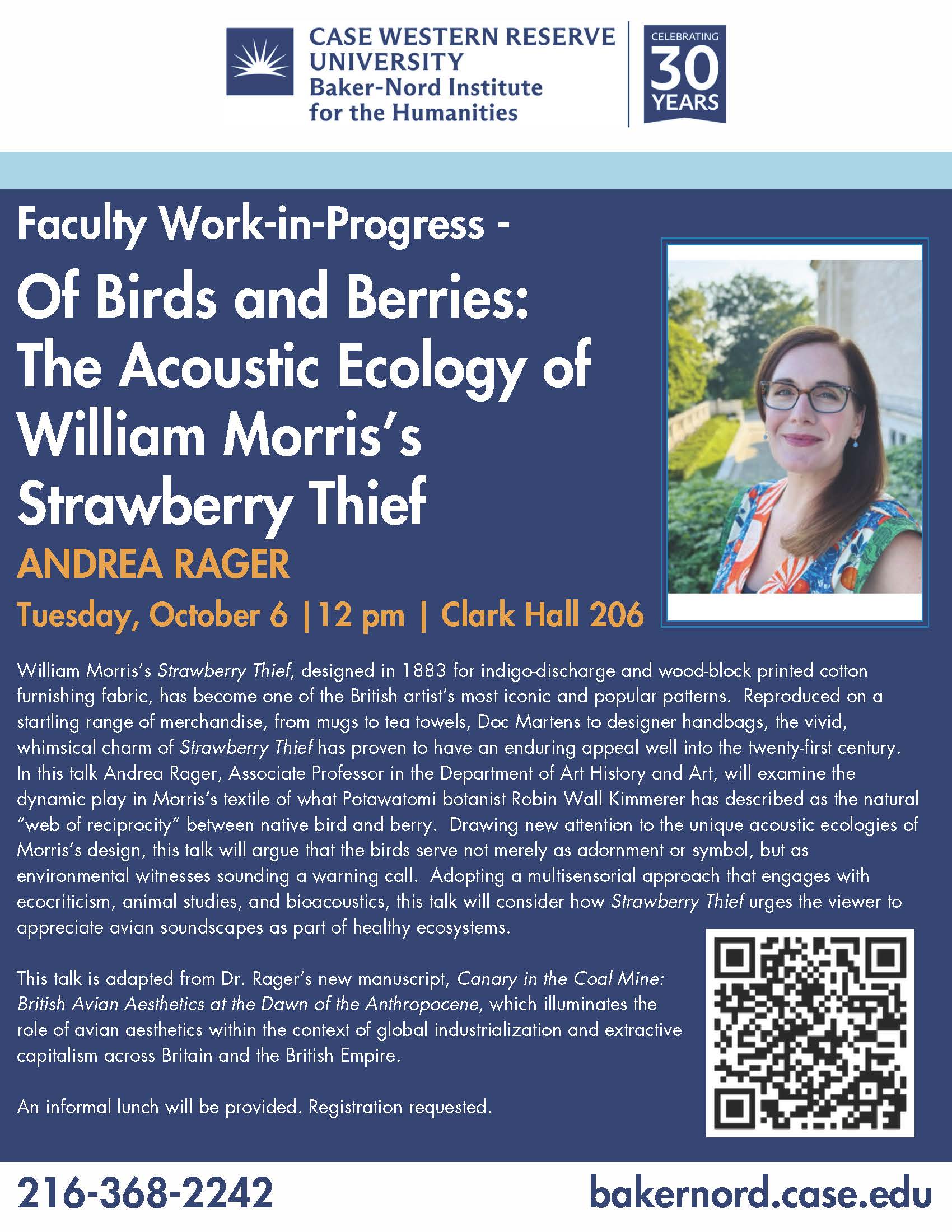

Congratulations to Dr. Bing Wang for the publication of her article, "Uncredited Hands: Labour, Branding and Collaboration at William Pryor Floyd’s Victoria Photographic Gallery in Nineteenth-Century Hong Kong," in the latest issue of the prestigious journal History of Photography! https://doi.org/10.1080/03087298.2026.2717662 Dr. Wang's article is adapted from her doctoral dissertation, "William Pryor Floyd: Art,...
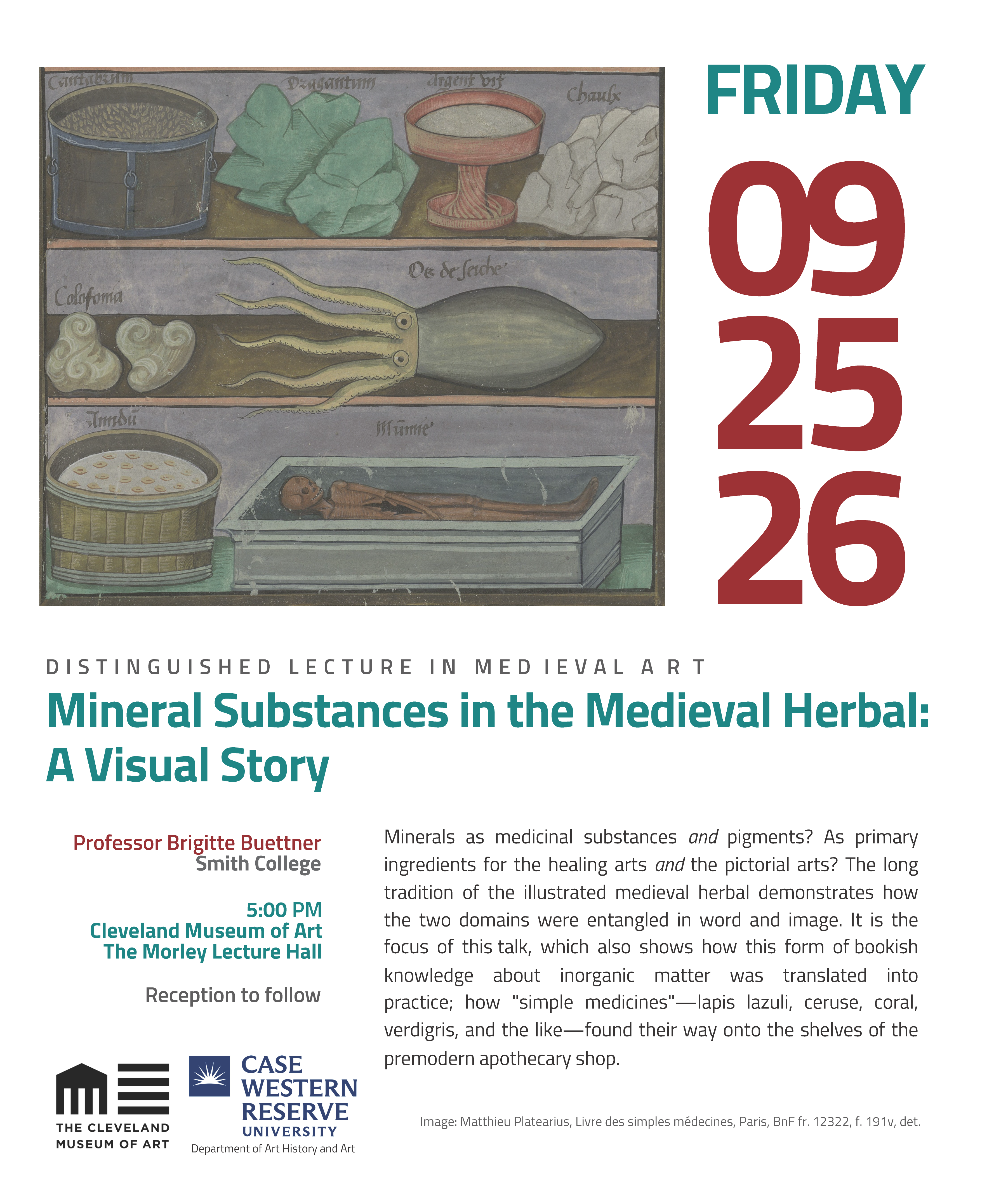
Minerals as medicinal substances and pigments? As primary ingredients for the healing arts and the pictorial arts? The long tradition of the illustrated medieval herbal demonstrates how the two domains were entangled in word and image. It is the focus of Prof. Brigitte Buettner’s talk, which also shows how this form of bookish knowledge about inorganic matter was translated into practice; how “simple medicines”—lapis lazuli, ceruse, coral, verdigris, and the like—found their way onto the shelves of the premodern apothecary shop.